How To Fix A Green Pool: A Step-By-Step Guide For Coffs Harbour
You walk out the back door, glance over at the pool and stop. What was clear blue water a week ago is now a murky shade of green. It's a common enough sight for homeowners, especially after a run of humid weather, a summer storm or a few too many days away from home. Pool cleaning in Coffs Harbour is not just a seasonal chore; it's a year-round commitment shaped by the region's warm, subtropical climate that gives algae almost perfect conditions to thrive. Understanding why your pool turned green, and what to do about it in the right order, is what separates a quick fix from a problem that keeps coming back.
Why Pools Turn Green So Quickly in Humid Climates
The local climate is one of the biggest factors behind algae growth, and it works against pool owners fast. Warm temperatures, high humidity and regular rainfall all fuel algae blooms, and when pool chemistry is even slightly off balance, algae can take hold within 24 to 48 hours.
Common triggers include:
- Chlorine levels dropping below 1 ppm, giving algae an open door
- Phosphate build-up from rainwater, leaves and debris
- Extended periods of sun exposure without adequate sanitiser
- Reduced filtration run times during cooler months
How to Read the Colour of Your Pool
Not all green pools are the same, and the shade of green tells you a lot about severity before you spend a cent on chemicals. A light green or slightly cloudy pool usually means algae is in the early stages and is far easier to treat than one that has been neglected for weeks.
Use these visual cues as a starting guide:
- Light green or teal: early algae bloom, likely treatable with shock and a good brush
- Bright green: moderate algae, will need a full shock treatment and possibly repeat dosing
- Dark green or black-green: severe bloom, often with dead algae sitting on the floor
- Murky brown-green: can indicate algae combined with metals or a heavy debris load
The First Thing to Check Before Adding Any Chemicals
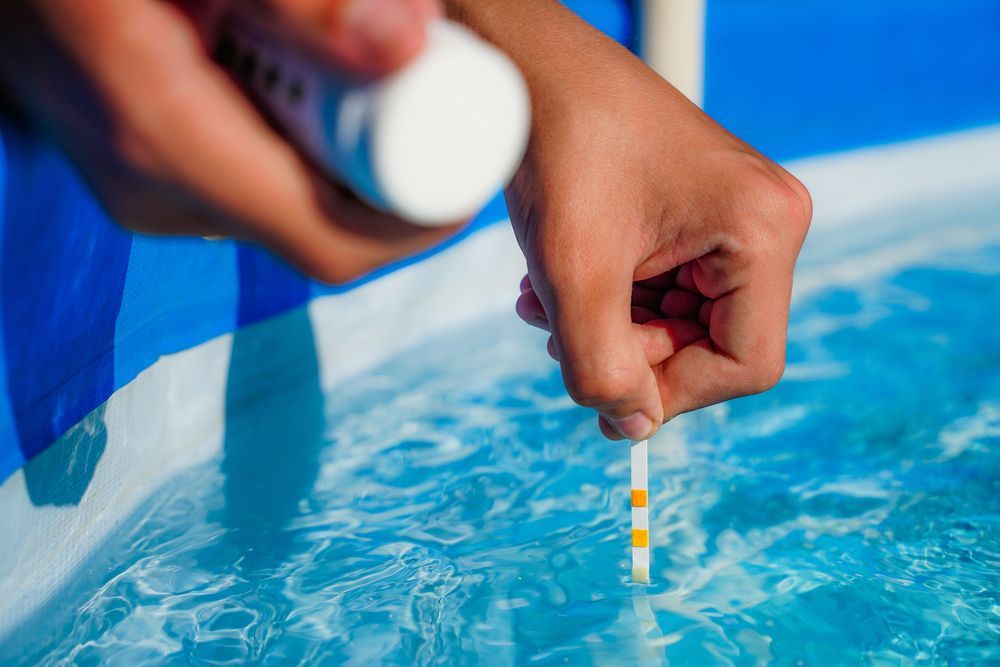
Before pouring anything into the water, test it. Adding shock to a pool with the wrong pH will waste product and may make the situation worse. pH needs to sit between 7.2 and 7.6 for chlorine to work effectively, and total alkalinity should be in range to keep that pH stable.
Test these parameters first:
- pH level
- Total alkalinity
- Cyanuric acid (stabiliser)
- Chlorine residual
Getting the chemistry right is the key to any green pool recovery, read our guide on understanding the chemicals your pool needs before you start treating.
The Shock Treatment Process, Step by Step
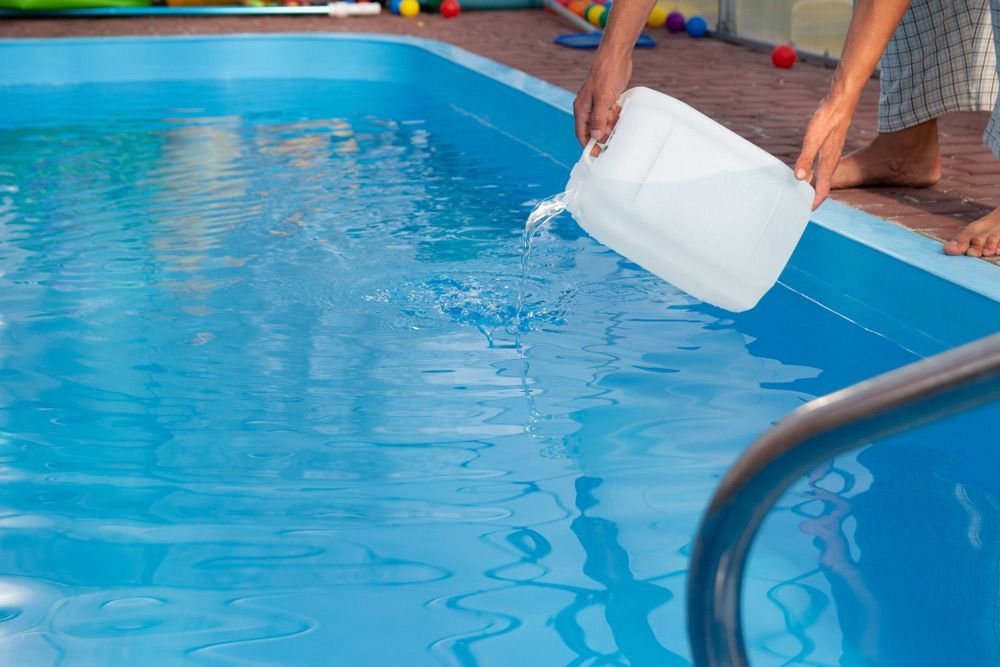
Shocking a green pool means adding a large dose of chlorine to overwhelm and kill the algae. The process is straightforward, but the order matters. Always brush the walls and floor first to break up algae colonies and help the chlorine penetrate them.
Follow this sequence:
- Balance pH to the 7.2–7.6 range before adding shock
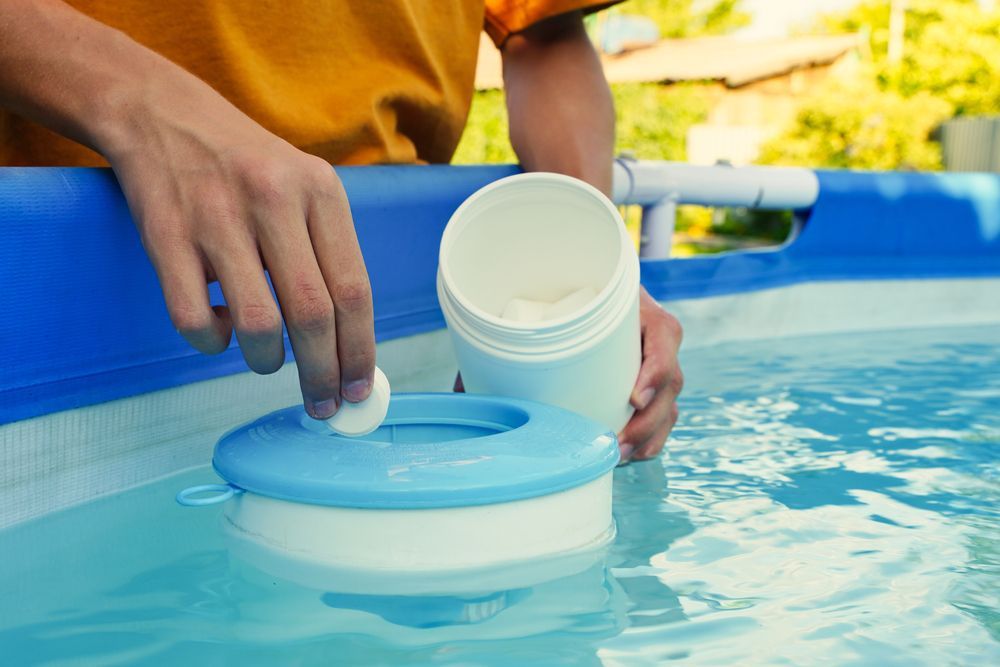
- Use a calcium hypochlorite or liquid chlorine shock at a rate suited to your pool volume
- Add the shock in the evening to prevent UV degradation
- Run the filter continuously for at least 24 hours after treatment
- Brush again the following morning to loosen dead algae
When to Use Algaecide and Whether You Actually Need It
Algaecide is often the first thing people reach for, but it works best as a follow-up to shock treatment rather than a standalone fix. It helps prevent regrowth and is particularly useful after a heavy bloom, but it will not clear a green pool on its own and should not be added until the chlorine level has had time to work.
Situations where algaecide adds genuine value:
- After a successful shock treatment as a preventative measure
- In pools with a recurring algae problem, particularly black algae
- As part of a seasonal close-down or re-opening treatment
- When used alongside a flocculant or clarifier to clean up dead algae
Vacuuming Dead Algae and Clearing the Water
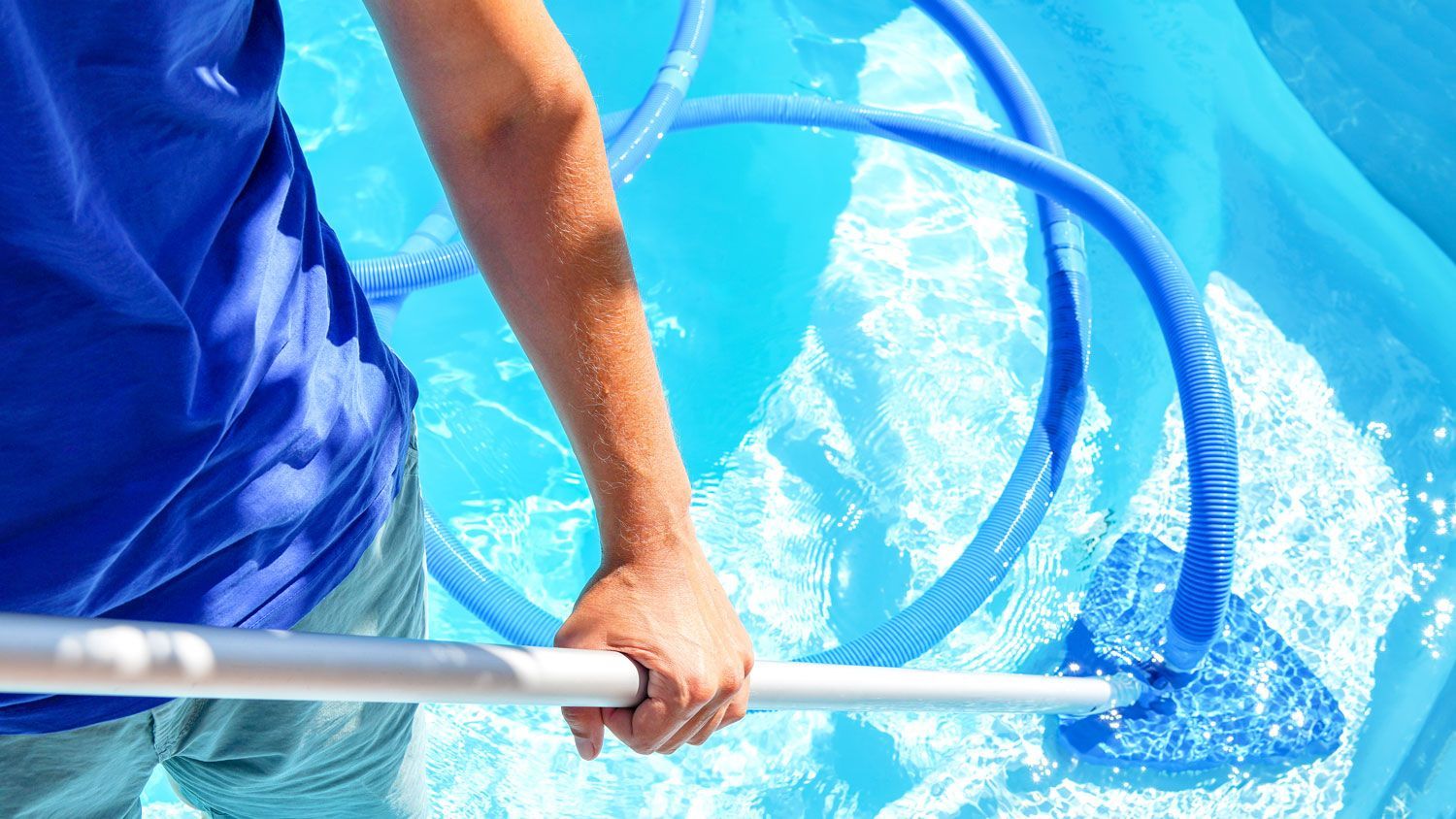
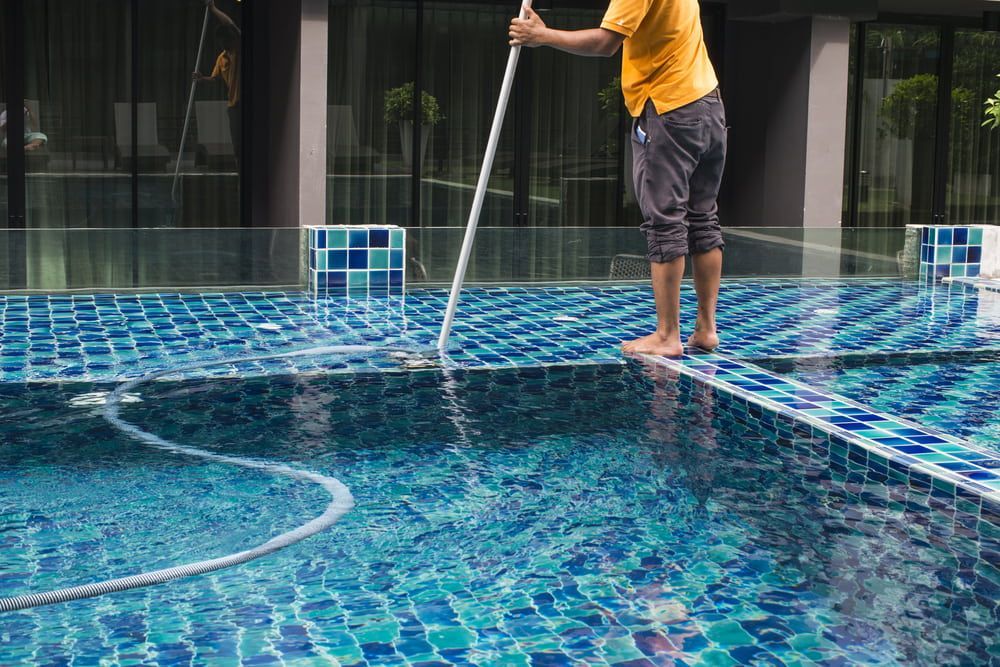
Once the algae is dead, which usually shows up as a grey or white cloudiness — it needs to be physically removed. At this stage, running the filter alone will not be enough if there is significant debris on the floor. Vacuuming to waste bypasses the filter and removes dead material directly, which avoids clogging the filter and re-contaminating the water.
Steps for this stage:
- Set the multiport valve to "waste" before vacuuming
- Vacuum slowly across the floor to avoid stirring up settled material
- Top up the water level as you go, since vacuuming to waste removes water
- Backwash and rinse the filter once the process is complete
Signs the Problem Is Beyond a DIY Fix
Most light to moderate green pools can be treated at home with the right products and a bit of patience. But some situations call for professional assessment — particularly when repeated shock treatments are not clearing the water or when the pool has been neglected for an extended period.
Consider calling a professional when:
- The pool remains green or cloudy after two full shock treatments
- There is visible black algae on the walls or floor, which requires specialist treatment
- The water has a strong chemical smell alongside persistent cloudiness
- You are unsure about equipment condition, including the pump, filter or chlorinator
If your pool has turned green after a storm or extended period without maintenance, our pool cleaning Coffs Harbour team can assess the damage and get it swim-ready fast.
How Regular Maintenance Prevents Green Pools From Forming
The most effective green pool strategy is one that means you never have to deal with one in the first place. Regular pool servicing and maintenance is the most reliable way to prevent a green pool from developing. That means consistent testing, appropriate chemical dosing, clean filter media and regular brushing, all working together to keep the water in balance.
A practical maintenance routine includes:
- Testing water chemistry at least once a week during summer
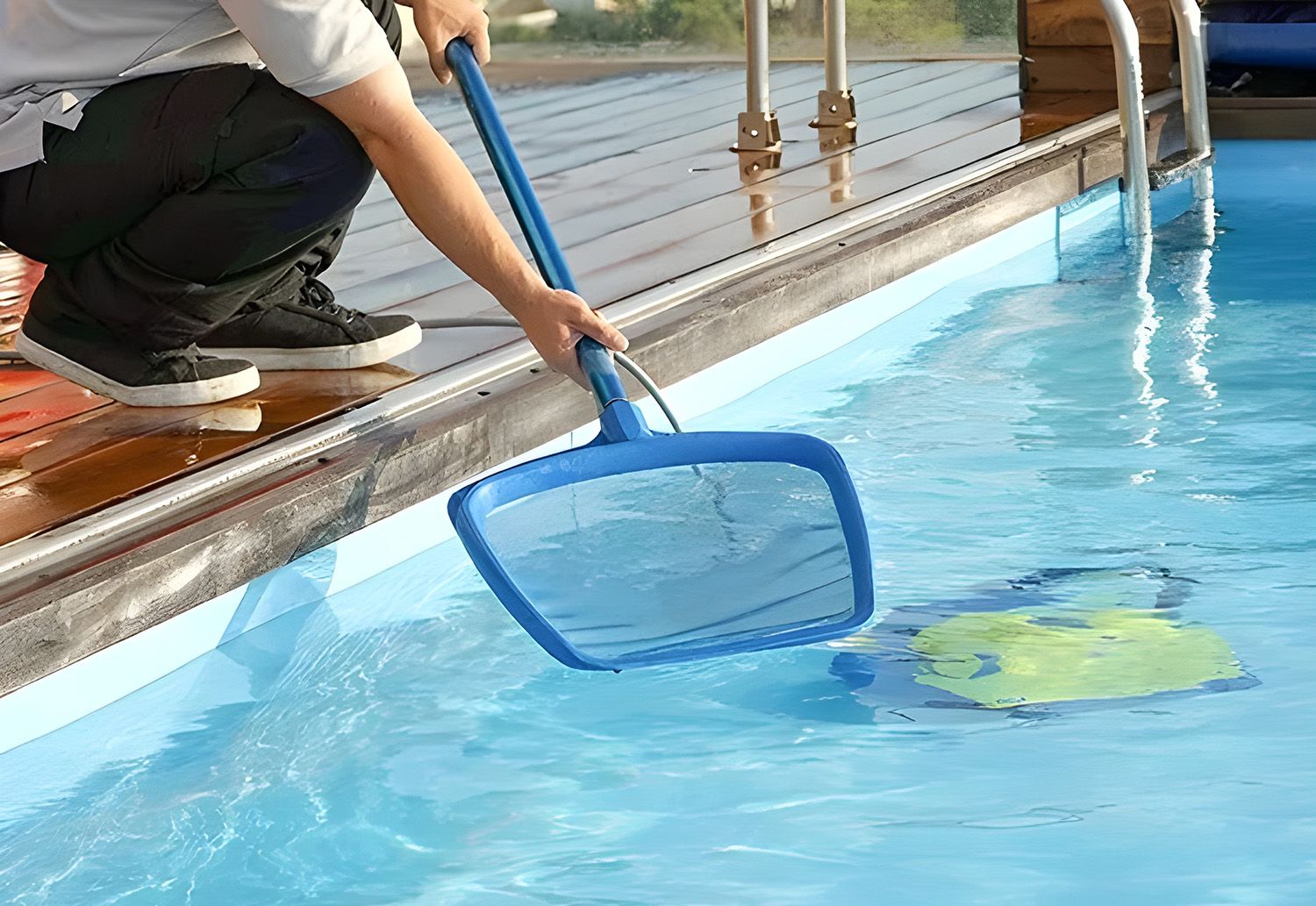
- Cleaning the skimmer basket and pump basket regularly
- Running the filter for an adequate number of hours per day based on pool volume
- Brushing walls and the floor weekly to discourage algae attachment
What Professional Pool Cleaning in Coffs Harbour Actually Involves
When you bring in a professional, the service goes well beyond adding chemicals and calling it done. A thorough service includes water analysis, chemical balancing, filter inspection, equipment checks and a full clean of the pool surfaces. For persistent algae problems, a technician can also identify underlying issues, such as poor circulation, a faulty chlorinator or phosphate build-up — that a DIY approach would miss. We regularly see green pool cases spike after summer storms across the region, from pool maintenance Woolgoolga to Nambucca Heads, the combination of runoff, debris and disrupted chemistry creates the ideal conditions for an algae bloom.
Ready to Get Your Pool Back to Blue?
We at Holiday Coast Pools & Water are a local team with hands-on experience managing pool algae and water quality issues right across the mid-north coast. Whether you want to handle it yourself and just need the right guidance, or you'd rather have a professional sort it out from start to finish, we're here to help. If you've been searching for trusted pool cleaning in Coffs Harbour, get in touch with our team today, give us a call or book a service online, we'll have your pool looking right again in no time.