Pool Chemicals Explained: A Coffs Harbour Owner's Guide
Keeping your pool water clean and balanced is essential for safety, comfort and long-term equipment performance. Most pool owners know chemicals are necessary, but far fewer understand exactly what each product does, why it matters, or how the products work together. Get the balance wrong and water can turn cloudy, grow algae, or start irritating skin and eyes within days.
If you're researching pool cleaning in Coffs Harbour, understanding the basics of pool cleaning chemicals is the first step to avoiding the most common mistakes. This guide breaks down the main products used in residential pools, what each one does, and why correct dosing matters, with a few notes specific to our local coastal climate.
At a Glance: Pool Chemicals and Ideal Ranges
| Chemical | What It Does | Ideal Range |
|---|---|---|
| Free Chlorine | Sanitises water and kills bacteria | 1–3 ppm |
| pH | Controls comfort, chlorine effectiveness and corrosion risk | 7.2–7.6 |
| Stabiliser (Cyanuric Acid) | Shields chlorine from UV breakdown | 30–50 ppm |
| Total Alkalinity | Buffers pH so it doesn't swing wildly | 80–120 ppm |
| Calcium Hardness | Protects surfaces and equipment from corrosion or scaling | 200–400 ppm |
| Algaecide | Helps prevent algae blooms between sanitising cycles | Product-dependent (used preventatively) |
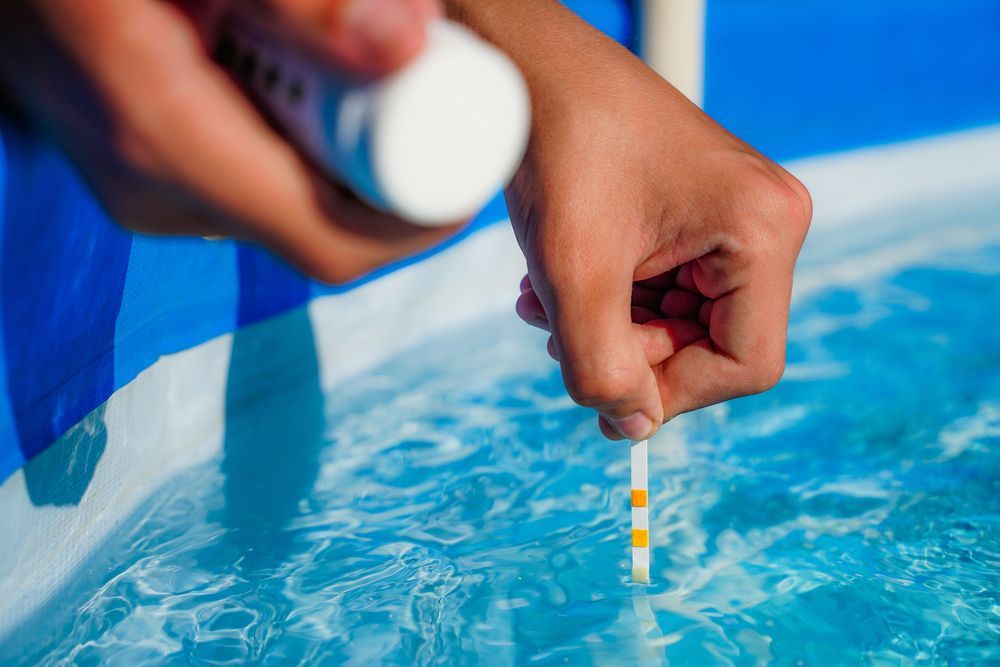
Bookmark this table for quick reference — but treat it as a general guide only. Your pool's ideal levels can shift with size, filtration type and recent weather, which is why an in-store water test gives a far more precise picture than a home test strip.
Why Pool Water Balance Matters
Pool water is constantly exposed to contaminants — leaves, dust, sunscreen, sweat and rain all affect its chemistry. If sanitiser levels drop or pH shifts outside the ideal range, bacteria and algae can multiply rapidly.
Balanced water protects:
- Swimmers from harmful bacteria
- Pool surfaces from staining or corrosion
- Equipment such as pumps and filters
- The effectiveness of your sanitising chemicals
Professional water testing keeps chemical levels inside the recommended ranges. Over-treating water can cause just as many problems as under-treating it, so precision matters more than guesswork.
Chlorine: Your Primary Sanitiser
Chlorine is the foundation of most pool systems. Its job is to kill bacteria and neutralise the contaminants swimmers and the environment introduce every day.
When chlorine is added to water, it forms hypochlorous acid, which destroys microorganisms and keeps the water safe to swim in. Without adequate chlorine, water can become unsafe surprisingly quickly.
Common chlorine types include:
- Liquid chlorine
- Granular chlorine
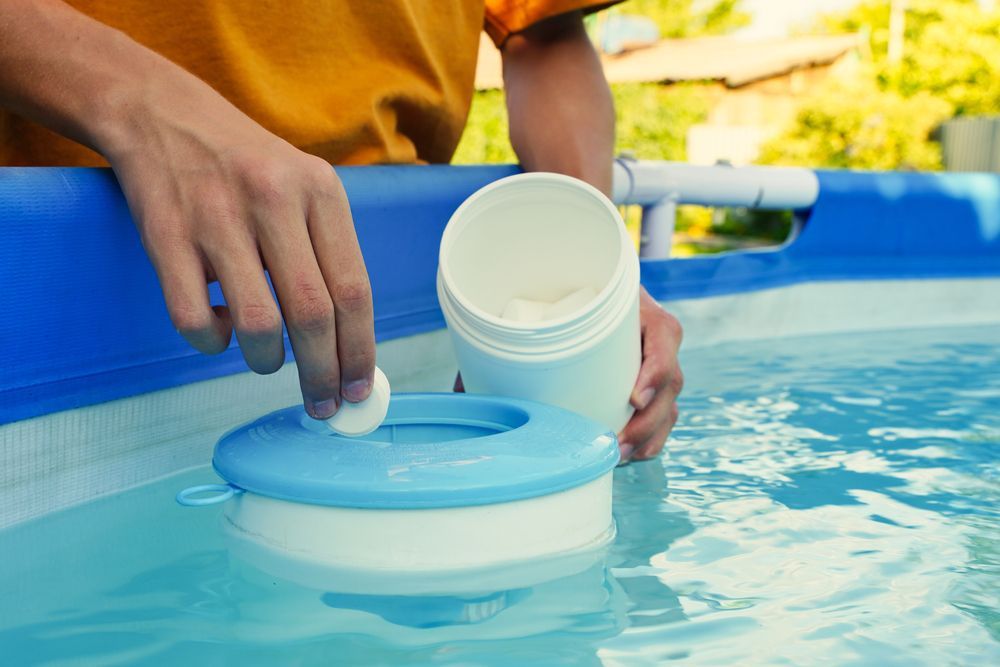
- Stabilised chlorine tablets
- Salt-generated chlorine
If you're new to pool chemicals, the key thing to remember is that chlorine needs to sit within a target range. Too little and it stops working effectively; too much and you risk strong odours, irritation and surface damage.
Why Chlorine Disappears Faster Here
Coffs Harbour's combination of strong UV exposure and coastal humidity is genuinely tougher on pool chemistry than many inland areas. Sunlight breaks chlorine down chemically, and warmer, more humid air speeds up evaporation and chemical reactions in the water. That means local pools often burn through chlorine faster than the "textbook" dosing rates suggest, particularly through summer and after storms. Testing more frequently during hot, humid stretches isn't overkill; it's just accounting for our climate.
Algaecides: Preventing Green Water
Algae spores are always present in the environment. When sanitiser levels drop or circulation is poor, algae take hold, and the result is green, cloudy or slimy water.
Algaecides are preventative products designed to inhibit algae growth. They're not a replacement for chlorine, but a support product that helps maintain clarity.
Used correctly, algaecides can:
- Reduce the likelihood of algae blooms
- Support your regular sanitising program
- Improve overall water clarity
They're particularly useful after heavy rainfall or extended hot weather, when water chemistry can fluctuate quickly — both common occurrences on the Coffs Coast.
pH Adjusters: Controlling Water Comfort
pH measures how acidic or alkaline your pool water is. Ideally, pool water should sit between 7.2 and 7.6. Move outside that range and chlorine becomes less effective, while swimmers may notice discomfort almost immediately.
Low pH can cause:
- Eye and skin irritation
- Corrosion of metal components
- Damage to pool surfaces
High pH can cause:
- Cloudy water
- Scaling on tiles and equipment
- Reduced sanitiser performance
Adjusters raise or lower pH as needed. Keeping pH in range is one of the simplest — and most overlooked — parts of maintaining a healthy pool.
Stabiliser: Protecting Chlorine from Sunlight
In sunny climates like Coffs Harbour, ultraviolet light can break down chlorine rapidly. Stabiliser — also known as cyanuric acid — shields chlorine from UV degradation.
Without stabiliser, chlorine levels can crash during hot, bright days. With the correct stabiliser level:
- Chlorine lasts longer
- Sanitiser efficiency improves
- Chemical costs may be reduced
That said, too much stabiliser can actually blunt chlorine's effectiveness ("chlorine lock"), so this is one area where professional testing pays for itself — it's easy to overcorrect.
Salt and Magnesium: Alternative Systems
Salt water pools use dissolved salt to generate chlorine through an electrolytic process. They feel different to swim in, but they still rely on chlorine to sanitise the water.
Salt is typically topped up:
- When filling the pool with fresh water
- After heavy rainfall
- If salt levels fall below the manufacturer's recommendation
Magnesium blends are another option for owners wanting a softer swimming feel. These products can reduce the harshness often associated with traditional pool chemicals while still supporting sanitisation.
Each system has its own monitoring requirements, so it's worth confirming your setup's specific balance targets rather than assuming standard chlorine ranges apply.
Shock Treatments: Restoring Water Quality
Shock treatments add a high dose of oxidising chemicals to break down organic contaminants and combined chlorine (the stuff causing that "chlorine smell" that's actually a sign of low, not high, sanitiser).
Shocking a pool is commonly needed:
- After heavy usage (parties, holidays, busy weekends)
- After storms — a frequent trigger on the Coffs Coast
- When water turns cloudy
- If strong chlorine odours develop
A properly executed shock treatment restores clarity and resets sanitiser effectiveness. Always retest before letting swimmers back in.
Safe Handling and Correct Dosing
All pool chemicals must be handled with care — even common household products can cause injury if misused.
Important safety guidelines:
- Store chemicals in a cool, dry area
- Keep products in their original containers
- Never mix different chemicals together
- Always add chemicals to water, not water to chemicals
- Wear protective gloves when required
Correct dosing depends on pool size, water temperature and recent weather — guesswork here leads to either over-treatment or ineffective sanitising. This is exactly where professional water analysis makes a difference.
Why Professional Water Testing Matters
Home test kits offer a general read, but in-store water testing gives a far more precise analysis. Professional testing measures:
- Free chlorine
- Combined chlorine
- pH balance
- Total alkalinity
- Calcium hardness
- Stabiliser concentration
Accurate readings mean targeted treatment instead of broad, guesswork chemical additions — which prevents unnecessary chemical use and protects long-term water health. Not sure where your levels currently sit? Bring a sample in for
free water testing before you add anything.
Common Chemical Mistakes to Avoid
Even experienced pool owners slip up. The most common mistakes include:
- Adding multiple chemicals at once
- Ignoring pH balance
- Overusing algaecide
- Skipping regular testing
- Not adjusting after rainfall
Water chemistry is dynamic, especially in our climate — small changes can have noticeable effects fast. Routine monitoring stops minor issues from turning into costly repairs.
A Simple Maintenance Routine
A clear routine takes the guesswork out of pool care, especially for beginners.
Weekly:
- Test water balance
- Adjust pH if required
- Check chlorine levels
- Brush pool surfaces
- Empty skimmer baskets
Monthly:
- Review stabiliser and calcium hardness levels
Establishing this rhythm keeps chemical use efficient, predictable, and appropriately adjusted for our local heat and humidity.
Getting the Right Advice for Your Pool
Every pool is different — size, filtration type, usage patterns and local conditions all influence what your water actually needs. Generic advice only goes so far; tailored guidance makes the difference between constant troubleshooting and a pool that just works.
If balancing your own water feels like guesswork, our pool cleaning Coffs Harbour team handles chemical dosing as part of every service. And if you'd rather manage it yourself, we stock everything from chlorine and stabilisers to MineralChlor — the full range of pool chemicals Coffs Harbour owners need, backed by advice from a team that tests water every day.
Visit Holiday Coast Pools & Water in-store for a free water analysis, or get in touch to discuss the right products and dosing for your specific pool.
Frequently Asked Questions
How often should I add chlorine to my pool?
Most pools need chlorine topped up every few days, but the right frequency depends on usage, weather and pool size. In Coffs Harbour, expect to dose more often through summer and after heavy rain, since UV and humidity both accelerate chlorine loss. Testing 2–3 times a week in peak season is a safe habit.
What order should I add pool chemicals in?
As a general rule: balance total alkalinity first, then pH, then sanitiser (chlorine), then stabiliser or algaecide if needed. Always add chemicals to water — never water to chemicals — and never mix different products together before adding them.
Why does my chlorine disappear so fast in summer?
Strong UV light breaks chlorine down chemically, and Coffs Harbour's humid coastal climate speeds up water chemistry changes generally. If stabiliser levels are also low, chlorine has even less protection from sunlight. This combination is why local pools often need more frequent dosing than the standard guidelines suggest.
Can I use too much algaecide?
Yes. Overusing algaecide can cause foaming, cloudiness, or staining, and it's not a substitute for proper sanitiser levels. It works best as a preventative support product alongside consistent chlorine and pH maintenance.
How do I know if my pool needs shocking?
Cloudy water, a strong chlorine smell, algae, or a pool that's had heavy use or recent storm runoff are all signs it's time to shock. A strong chlorine odour is actually a sign of low sanitiser, not too much — it means combined chlorine has built up and needs to be oxidised away.
Is a home test kit good enough, or do I need professional testing?
Home kits are useful for quick daily checks, but they're less accurate for tricky parameters like stabiliser and calcium hardness. Professional in-store testing gives a fuller picture and helps avoid over- or under-treating your water, especially if you're troubleshooting a specific issue.