How to Keep Your Pool Clean During Heavy Rain or Storm Season
A pool that looks perfect one day can look like a different body of water after a night of heavy rain. Debris collects, water turns cloudy, and chemical levels shift enough to cause algae to bloom within days. Storm season can also affect equipment, especially if runoff enters the pool area or water levels rise and overflow into places they shouldn’t.
For pool owners, the key is understanding what rain actually does to water balance and filtration, as well as the steps that make a real difference before and after a storm. Some actions are quick and practical, like clearing baskets or removing debris early. Others require a more careful approach, especially when you’re dealing with chemical changes and equipment strain.
This guide explains how to protect water clarity, avoid algae outbreaks, and reduce the risk of equipment issues during storm season, including when it’s more effective to book professional servicing rather than attempting to correct everything yourself.
Why Heavy Rain Turns Clear Water Cloudy So Fast
Heavy rainfall doesn’t just add water. It adds everything that water brings with it, including dust, organic matter and contaminants that quickly overwhelm your pool’s filtration and sanitising system.
- Rain dilutes chlorine & other chemicals, reducing your pool’s ability to stay sanitised
- Runoff & debris introduce fine particles that cloud water & create algae-friendly conditions
- Organic matter like leaves & dirt increases chlorine demand, so levels drop faster than expected
Even if the pool looks fine immediately after rain, conditions can shift quickly. This is where early skimming, testing and filtration checks make a noticeable difference.
Before the Storm: Simple Steps That Reduce Debris & Damage
You can’t stop rain, but you can reduce the mess and strain it creates. A few small prep tasks can help protect your pool water, reduce debris load and avoid equipment issues during heavy weather.
- Empty skimmer baskets & pump baskets so water flow stays steady during storms
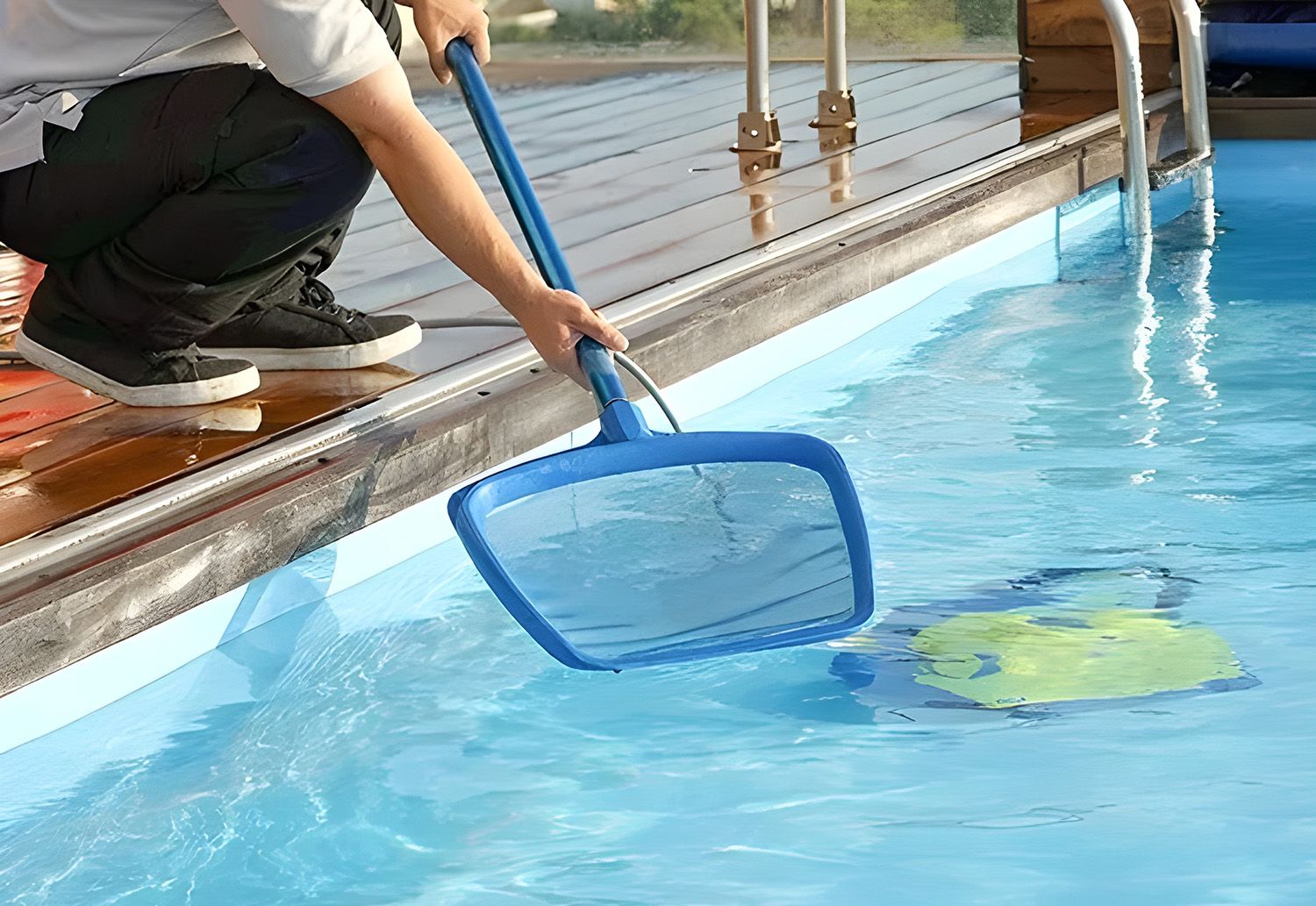
- Skim leaves & remove larger debris early, before it sinks & breaks down
- Secure loose outdoor items around the pool to prevent extra debris & blockages
If you know heavy rain is coming, it’s also worth checking the area around the pool for drainage issues, especially if water tends to flow towards the pool fence line or equipment area.
What Rain Does to Pool Chemistry (And Why Guessing Can Make It Worse)
Rainwater changes your pool chemistry in more ways than most people realise. It dilutes sanitiser, affects pH and alkalinity, and often introduces organic material that makes the water harder to keep balanced.
- Chlorine levels can drop quickly, even if you recently added chemicals
- pH often shifts, which affects how effective chlorine is at sanitising the water
- Alkalinity changes can reduce stability, making water harder to maintain over the following days
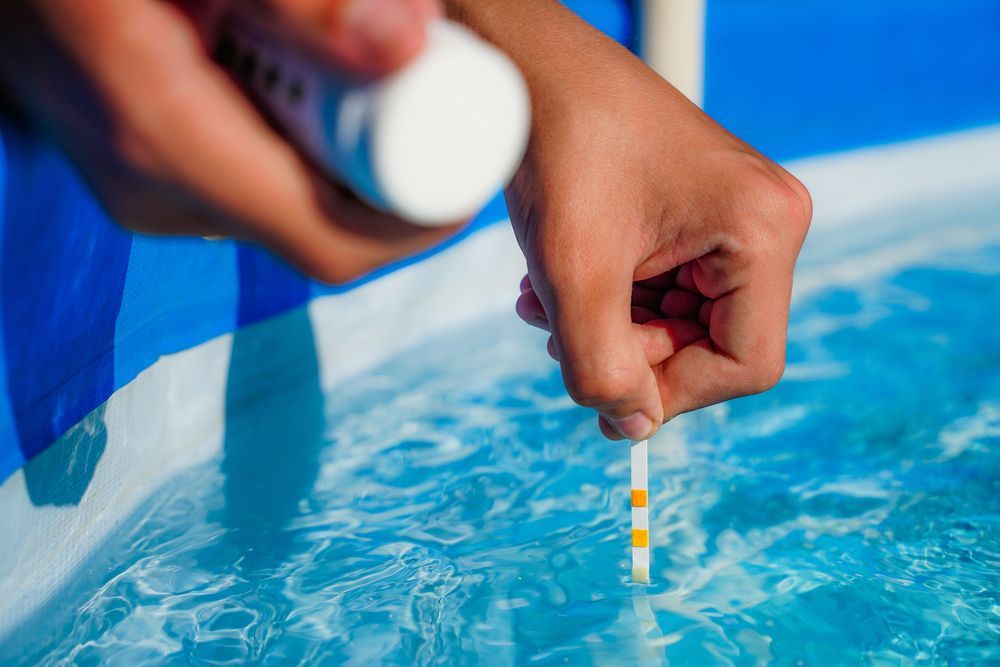
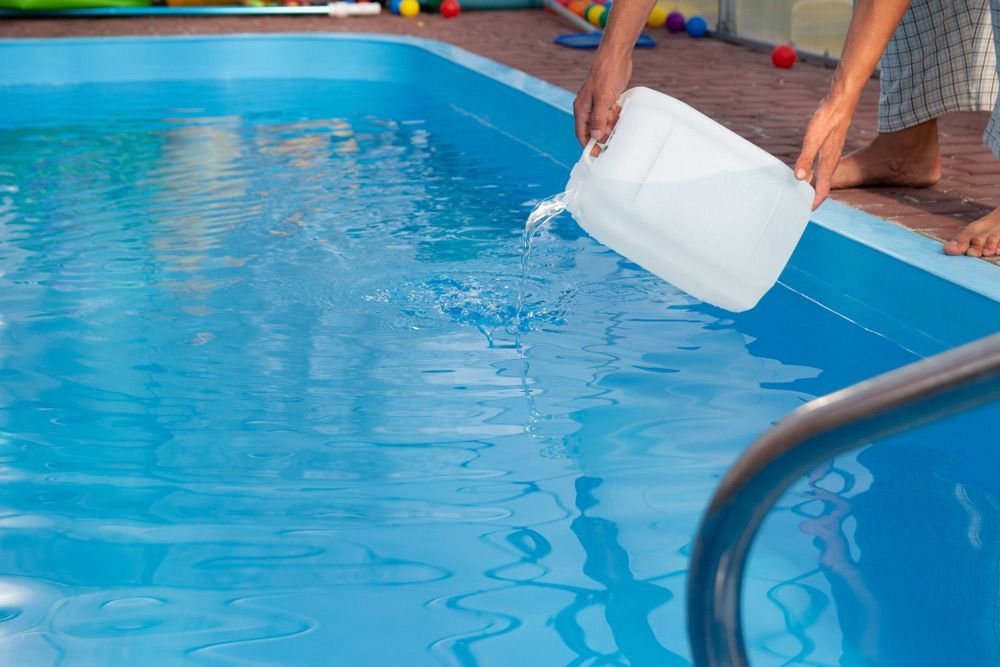
This is where guessing can backfire. Adding chemicals without testing can overshoot levels, cause irritation, or create an imbalance that is harder to correct. Proper testing is the safest way to respond after heavy rain.
Filter Systems Under Pressure: When to Backwash, Clean or Leave It Alone
During storm season, your filter does a lot of heavy lifting. It’s working to remove fine debris and suspended particles that can cloud the water. This is why filters often clog faster after rain.
- Rising filter pressure can be a sign the system is trapping storm debris effectively
- Backwashing or cleaning can help, but doing it too frequently may reduce filtration performance
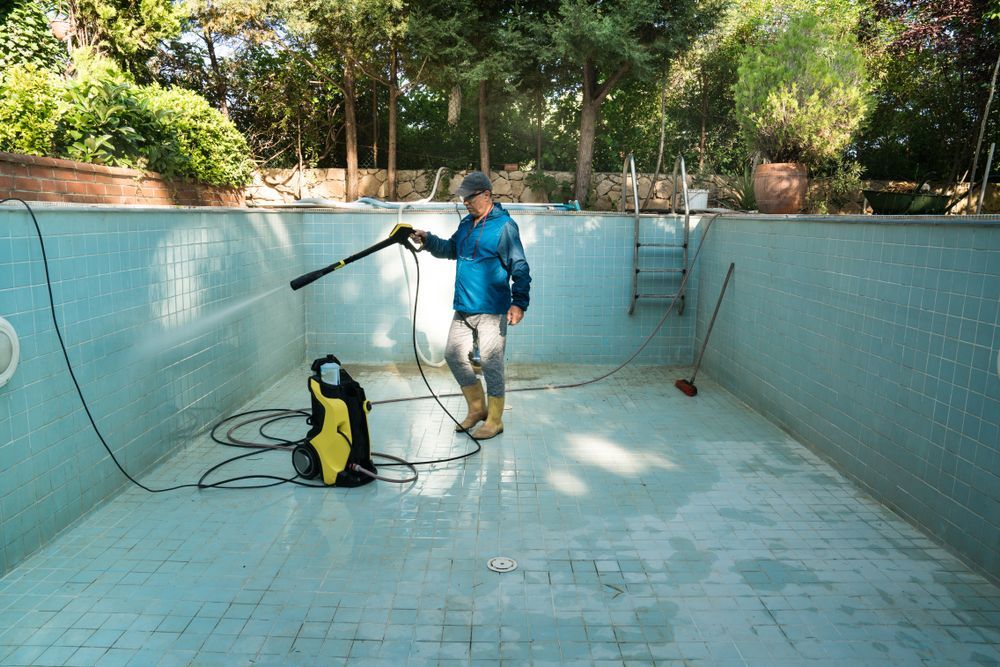
- If the water is heavily contaminated, the filter may need a deeper clean rather than a quick rinse
If you’re unsure whether your filter needs backwashing, cleaning or replacement media, a professional pool service can assess it and prevent long-term strain on the pump and circulation system.
If Your Pool Overflows: What That Means for Equipment & Safety
Overflow isn’t just inconvenient. When the water level rises too high, it can interfere with skimmer function and potentially affect pool equipment if water reaches electrical components or creates excess pressure.
- Skimmers don’t work properly when the water sits too high, reducing surface debris removal
- Overflowing water can introduce extra contaminants & carry soil or mulch into the pool
- Water around equipment areas increases risk of corrosion, electrical faults or damage to fittings
If your pool regularly overflows during heavy rain, it’s worth reviewing the drainage around the pool and checking the equipment setup. Preventing overflow often protects both water quality and system lifespan.
Algae After Rain: Why It Blooms Faster & How to Stop It Early
Algae outbreaks commonly follow storms, especially during warmer months. That’s because rain creates the perfect conditions: diluted chemicals, increased nutrients from debris, and cloudy water that blocks chlorine from working effectively.
- Organic debris breaks down in the water, feeding algae growth
- Lower chlorine levels allow algae to establish quickly, often before you see obvious green water
- Cloudy water reduces sanitiser efficiency, creating a cycle that’s harder to reverse
If you catch algae early, treatment is usually simpler. If it progresses, it can require stronger chemical correction and more intensive cleaning. This is one reason storm-season maintenance matters.
The Post-Storm Reset: A Practical Cleaning & Testing Checklist
After heavy rain, the goal is to restore water clarity, rebalance chemistry and prevent algae from taking hold. A structured checklist helps pool owners respond quickly without throwing random chemicals at the problem.
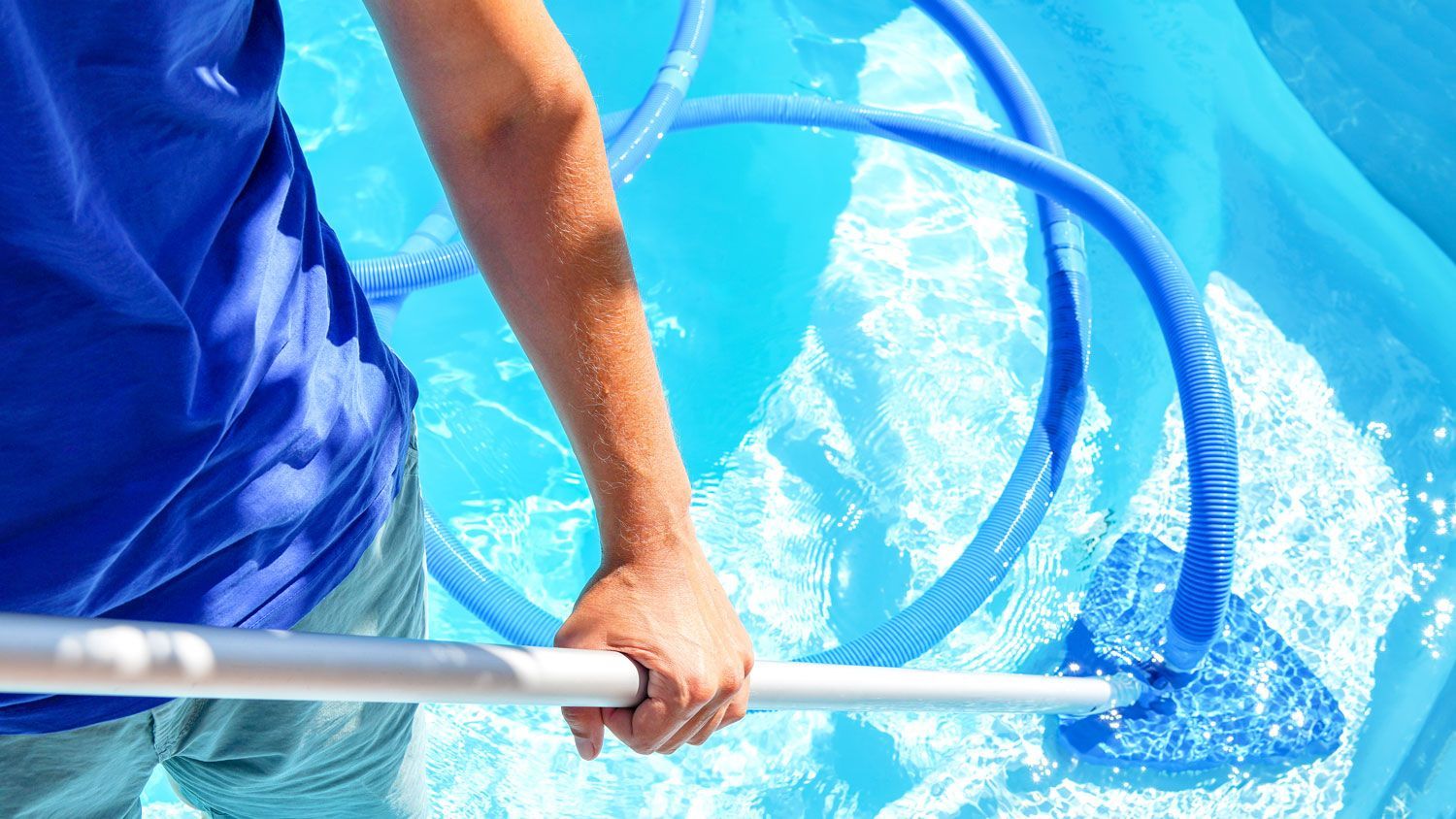
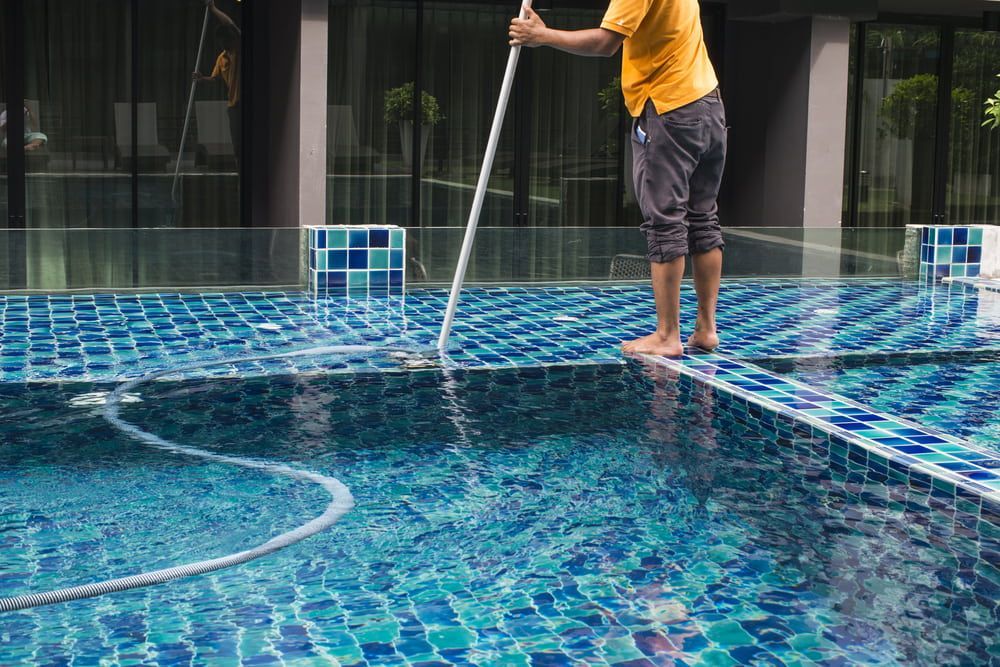
- Remove debris, empty baskets & check water level so circulation works properly
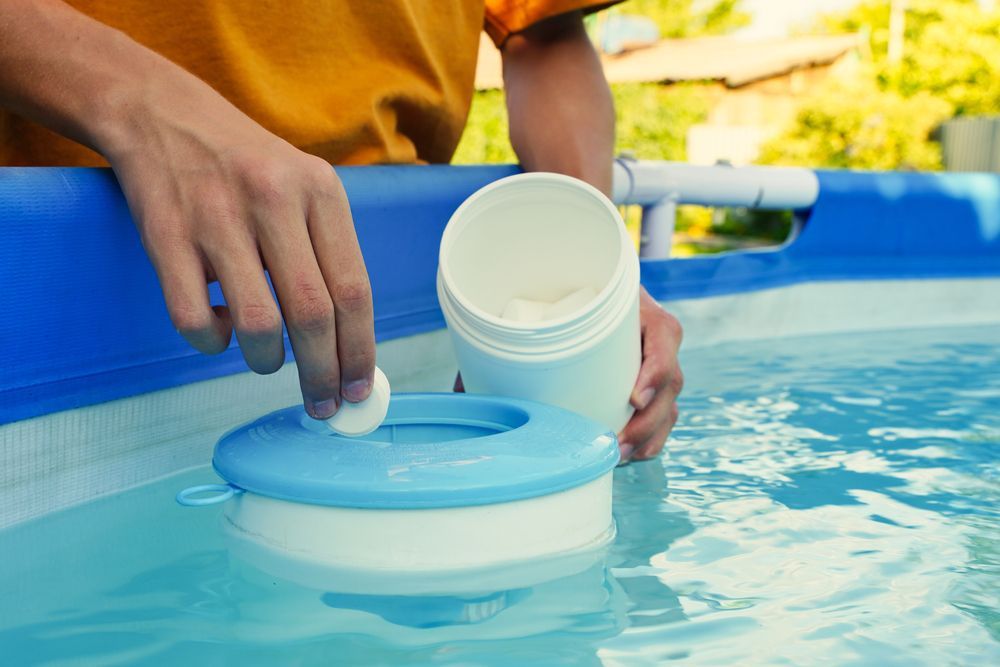
- Test water & adjust chlorine & pH as needed to restore balance
- Check filter pressure & run the pump longer to improve circulation & clarity
If water remains cloudy, smells unusual, or doesn’t improve within a day or two, it may need professional attention. Storm contamination can introduce fine particles and organic load that take more than basic cleaning to resolve.
When to Call the Pros: Storm Season Is Where Pool Care Gets Risky
Storm season is when pool maintenance can shift from routine to unpredictable. Once water chemistry is severely off or algae takes hold, DIY approaches often become expensive, time-consuming and difficult to correct properly.
- If the pool stays cloudy or green despite cleaning & chemical adjustments, it needs deeper treatment
- If equipment is making unusual noises, losing suction, or showing pressure issues, it should be inspected
- If you’re unsure what to add or how to rebalance safely, professional testing avoids damage & waste
Professional pool cleaning and servicing can restore water balance faster and help protect your equipment, especially during periods of frequent heavy rain.
Storm season around Coffs Harbour can bring heavy rain, strong winds and sudden debris build-up that quickly throws pool water out of balance. Here at Holiday Coast Pools & Water, we help pool owners stay on top of storm-season issues with reliable testing, chemical balancing, equipment checks and full pool cleaning in Coffs Harbour. To book a clean or speak with the team about ongoing maintenance, visit https://www.hcpw.com.au/.